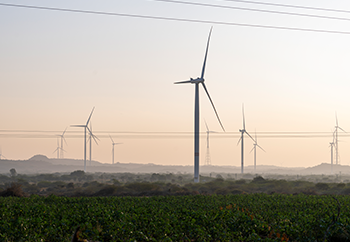
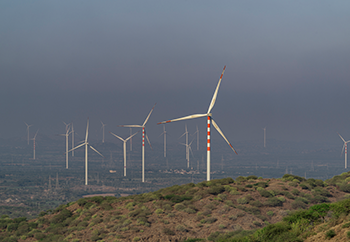
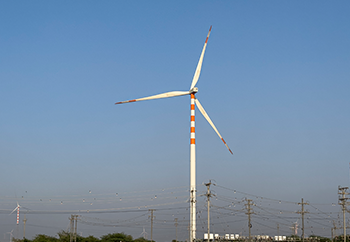
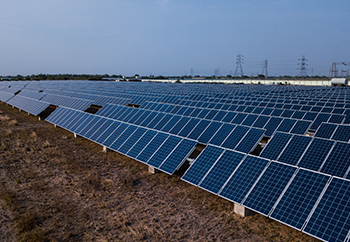
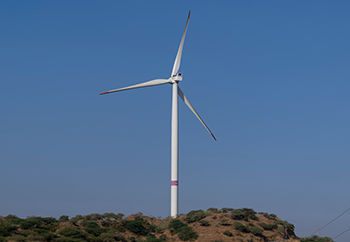
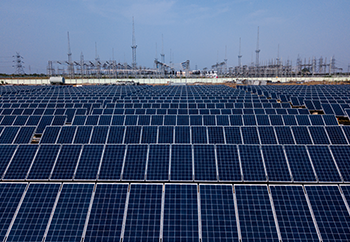
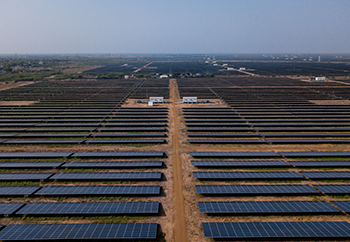
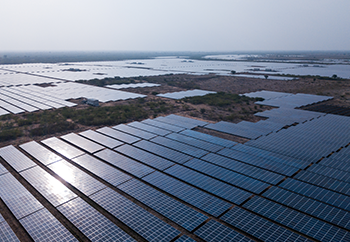
Our engineering capabilities help us design cost-efficient projects, which are backed by a thorough analysis of the land, solar radiation, grid connection infrastructure andemerging technologies. Our project design also considers various factors such as the geographical location, climate conditions, temperature and its impact on equipment, local facilities as well as potential maintenance requirements. We thus ensure that all our capital investment projects are carried out after considering and studying the risks involved.

5220 MW | Commissioned

600 MW | Commissioned

300 MW | Commissioned
150 MW | Commissioned
150 MW | Commissioned
160 MW | Commissioned
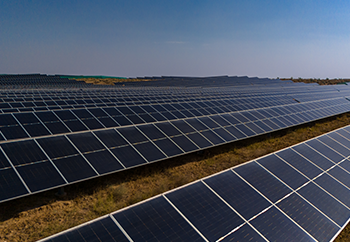
150 MW | Commissioned

100 MW | Commissioned

160 MW | Commissioned

100 MW | Commissioned
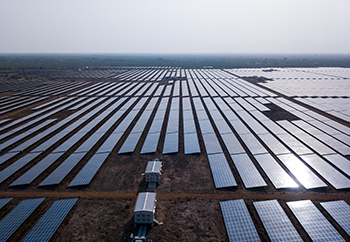
50 MW | Commissioned
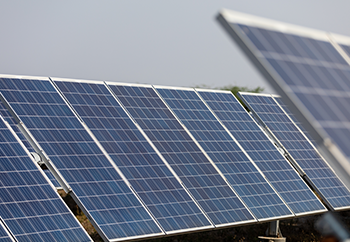
50 MW | Commissioned
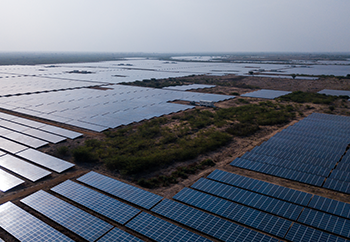
50 MW | Commissioned
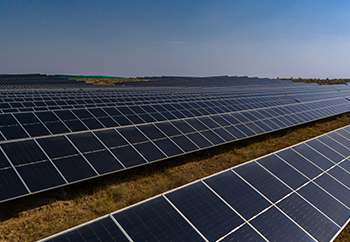
50 MW | Commissioned
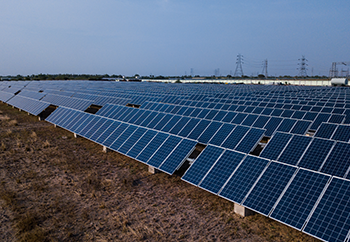
50 MW | Commissioned

50 MW | Commissioned
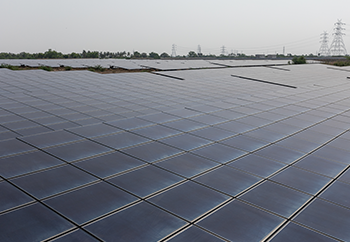
16 MW | Commissioned
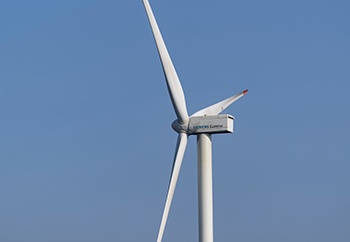
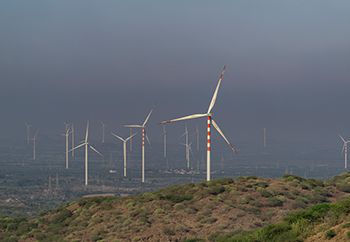
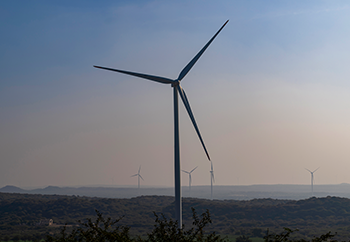
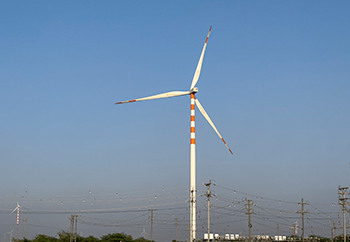
We develop, build, own, operate and maintain utility scale grid connected renewable farm projects and generate revenue through the sale of electricity to Central and state government entities and government-backed corporations. For wind project development, we continuously evaluate various regions of the country for wind resource potential. We have already installed many wind-mast in resource rich areas of the country, enabling us to confirm the site wind resource potential and allowing micro siting

4000 MW | Commissioned

2000 MW | Commissioned

600 MW | Commissioned

600 MW | Commissioned

300 MW | Commissioned

300 MW | Commissioned

300 MW | Commissioned

300 MW | Commissioned

110 MW | Commissioned

100 MW | Commissioned

100 MW | Commissioned

100 MW | Commissioned

80 MW | Commissioned

80 MW | Commissioned

80 MW | Commissioned

75 MW | Commissioned

50 MW | Commissioned

45 MW | Commissioned

45 MW | Commissioned

40 MW | Commissioned

30 MW | Commissioned

30 MW | Commissioned

20 MW | Commissioned

20 MW | Commissioned
Variability in Solar and Wind generation has emerged as a concern in large-scale adoption of renewables, especially after it contributes a major share in the energy mix. Hybridisation of wind and solar plant is developing a solution which will reduce this variability due to complementary nature of their generation profile – solar generation is higher during the day, while wind generation can be higher in the night. Hybrid projects would also have much higher capacity utilization, thus removing the intermittency challenge. Such projects also enjoy the additional benefit of a reduction in costs associated with sharing transmission lines. Peak balancing through gas and hydro generation shifting, demand management, smarter grids, electric vehicles as well as storage solutions including battery, pumped hydro and others are expected to further help out in smoothening out the variability cause due to nature of renewable energy supply.

5220 MW | Commissioned

4000 MW | Commissioned

2000 MW | Commissioned

600 MW | Commissioned
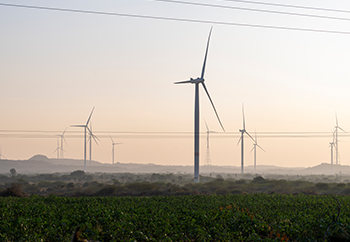
600 MW | Commissioned
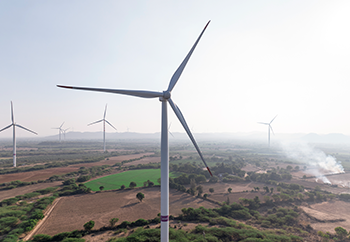
600 MW | Commissioned

300 MW | Commissioned
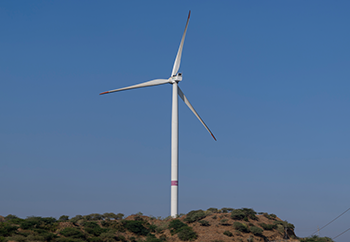
300 MW | Commissioned
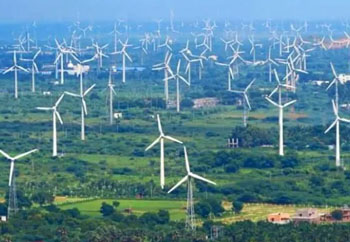
300 MW | Commissioned
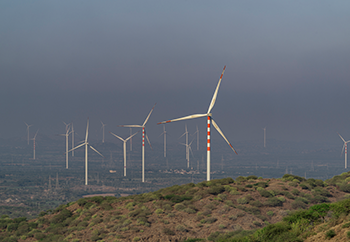
300 MW | Commissioned
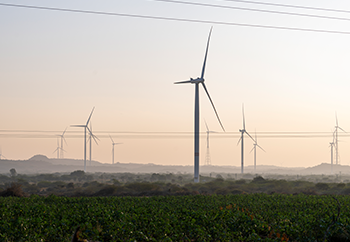
300 MW | Commissioned

200 MW | Commissioned

150 MW | Commissioned

150 MW | Commissioned

150 MW | Commissioned

150 MW | Commissioned

110 MW | Commissioned
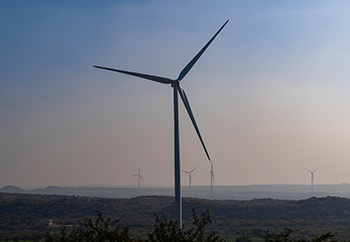
100 MW | Commissioned

100 MW | Commissioned
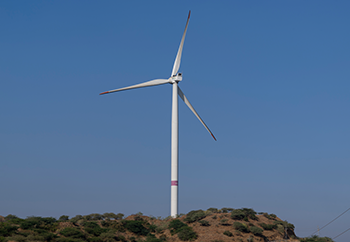
100 MW | Commissioned

100 MW | Commissioned

100 MW | Commissioned

80 MW | Commissioned
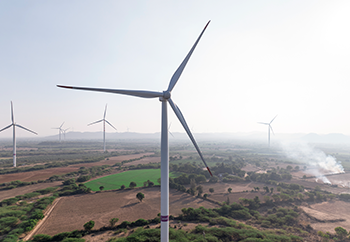
80 MW | Commissioned
80 MW | Commissioned
75 MW | Commissioned
50 MW | Commissioned
50 MW | Commissioned

50 MW | Commissioned

50 MW | Commissioned

50 MW | Commissioned

50 MW | Commissioned

50 MW | Commissioned

45 MW | Commissioned

45 MW | Commissioned

40 MW | Commissioned

30 MW | Commissioned
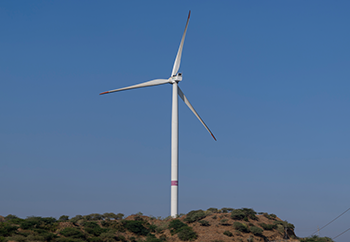
30 MW | Commissioned
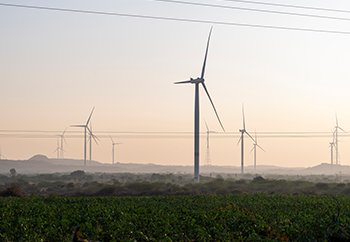
20 MW | Commissioned

20 MW | Commissioned

16 MW | Commissioned

A solar power system converts sunlight into electricity using solar panels, inverters, batteries (optional), and other electrical components. Solar reduces electricity bills, minimizes carbon footprint, and may offer up to 80% cost savings over traditional energy sources.
Solar panels typically last 25–30 years with minimal maintenance.
Mostly just routine cleaning and periodic system checks.
Only if the system includes batteries or an off-grid setup; most grid-tied systems automatically shut off during outages for safety.
Modern turbines are much quieter than older designs; however, site selection and technology improvements help minimize wildlife impact.
Wind power has no direct carbon emissions and can displace polluting fossil fuel plants.
Hybrid systems combine wind turbines and solar panels (sometimes with batteries) for more consistent and reliable renewable energy production.
Solar and wind resources often complement each other—solar generates more in the day, wind can peak at night or during storms—ensuring steadier output.
Kiara Foster
Head of Content
Kiara
Edit this chat template from WP Admin > Templates > Floating Elements
Powered by Elementor